Drywall vs Plaster: What Homeowners in Pennsylvania Should Know Before Choosing
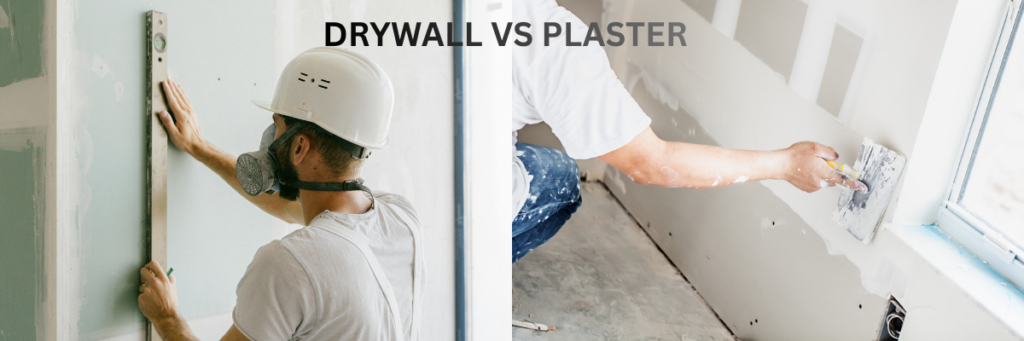
There is often one main question when completing or repairing interior walls: drywall vs plaster – which material is superior?
If you are renovating an older home, repairing damaged walls, or building a new home, knowing the difference between plaster or drywall will help you make an informed decision about which option is best for your space, budget, and long-term goals.
Each material has its advantages and disadvantages; therefore, the right choice will depend on the type of house you have, what your goal is and what condition the current wall is in before beginning your project.
Let’s look at both materials plainly.
What Is Drywall?
The term “drywall” refers to a wallboard product used for building walls, and is produced primarily of gypsum sandwiched between pieces of paper.
Due to its rapid installation methods, and low cost, drywall has become the standard wall construction product in most of Pennsylvania’s residential and light commercial building projects.
Why homeowners choose drywall:
- Faster installation
- Lower labor cost
- Easier to repair
- Smooth finish for painting
- Good insulation compatibility
For homeowners in Central and Southeastern Pennsylvania, drywall installation is often the practical choice for new builds and remodels.
What Is Plaster?
Plastering has been used for wall finishes dating back hundreds of years. This method applies multiple layers of plaster to either a wood or metal lath substrate. Plaster was widely used in the early 20th century.
The foundation of plaster, along with its ability to provide a high-end texture, gives it a sturdiness not found in other finishes. It is often difficult to learn how to properly apply or repair plaster because of its unique applications and how long it takes to cure.
Why some homeowners prefer plaster:
- Harder and more impact-resistant surface
- Better sound resistance
- Traditional aesthetic in older homes
- Custom textures and finishes
In many Pennsylvania homes, especially historic properties, plaster preservation and restoration is often necessary rather than replacement.
Drywall vs Plaster: Key Differences
When comparing drywall vs plaster, here are the main factors to consider:
1. Installation Time
The installation of drywall is much quicker than plastering surfaces. Drywall is attached, then taped and finished within a few days.
On the other hand, to apply plaster requires several coats of plaster with time between each application for it to set up. This is why in general, you can expect that installation of drywall will usually take less time than plastering an area.
2. Cost
Generally speaking, drywall costs less because both the material and labor needed for drywall installation are at a lower price than plaster.
When it comes to installing or repairing plaster, there tends to be an increased cost to have the specialized craftsmanship that comes with plaster.
So if you have a limited budget to work with on your renovation, then drywall may be the more budget-friendly option for you.
3. Durability
Plaster is typically heavier than drywall and more durable when faced with small impacts; however, plaster deteriorates and eventually splits as houses settle.
The repairing of damaged drywall is significantly more easily accomplished compared to plaster. Generally, the repair of cracks, dents, etc. in drywall can be accomplished fairly quickly after hiring a professional drywall repair contractor.
4. Repair Process
Many homeowners ask, is plaster better than drywall when it comes to repairs?
The answer to that question will vary based on several factors.
For instance, small repairs to drywall are typically quick and easy, taking between 1 and 3 hours depending on the extent of the repair process. However, large areas of damage on drywall may remain manageable through the replacement of panels rather than the entire surface.
The repair of plaster, particularly in older homes or those with historic integrity, can prove to be difficult or complex because of its ability to be shaped into intricate patterns which requires a high degree of skill and craftsmanship when trying to replicate any previous texture and support of the overall structure.
Heifer Drywall Inc. takes care of a variety of reasons for the repair or restoration of either of these types of materials throughout Pennsylvania as needed.
Is Plaster Better Than Drywall?
There’s no universal winner.
Plaster may be better if:
- You’re preserving a historic home
- You want traditional textures
- Sound resistance is a priority
Drywall may be better if:
- You want faster installation
- You’re remodeling or building new
- You need a budget-friendly solution
- You want easier long-term maintenance
The real question isn’t “is plaster better than drywall?” but rather “what’s right for your specific project?”
When Should You Replace Plaster With Drywall?
In some homes, aging plaster may show signs of:
- Deep cracks
- Loose sections pulling from lath
- Water damage
- Structural instability
In these cases, full drywall replacement may be the safer long-term option.
However, not all plaster needs replacement. Skilled restoration contractors can often repair and preserve original plaster without removing it entirely.
This is where professional evaluation becomes important.
Sound and Insulation Considerations
When it comes to sound resistance, plaster walls tend to be relatively thick and offer a little better than average soundproofing ability.
On the other hand, drywall can allow you to more easily install insulation upgrades behind the panels, which is crucial when you are trying to increase your energy efficiency.
If you want your renovations to improve energy efficiency, drywall installed in Pennsylvania houses typically works very well with new insulation systems.
Maintenance Over Time
Drywall:
- Easier to patch
- Simpler to repaint
- Less expensive to maintain
Plaster:
- May crack with settling
- Harder to repair invisibly
- More labor-intensive fixes
For many modern homeowners, long-term maintenance plays a big role in choosing plaster or drywall.
What’s Best for Pennsylvania Homes?
In Central and Southeastern Pennsylvania, we see a mix of both materials:
- Older homes often contain plaster walls.
- New construction almost always uses drywall.
- Renovations may involve a combination of both.
At Heifer Drywall Inc., we evaluate each project individually. Some homeowners need drywall repair near them for damaged walls. Others need plaster restoration to maintain the integrity of an older property.
The right solution depends on the structure, condition, and long-term goals of the homeowner.
Professional Guidance Matters
Whether you’re deciding between drywall vs plaster for new construction or wondering if plaster is better than drywall in your older home, a professional assessment can save time and money.
Improper patching, mismatched textures, or structural misjudgments can create bigger issues later.
A skilled drywall contractor can:
- Inspect wall condition
- Identify moisture or structural concerns
- Recommend repair vs replacement
- Provide accurate installation timelines
- Deliver smooth, seamless finishes
Final Thoughts: Plaster or Drywall?
There is no universal answer to the question of whether to use plaster or drywall; only the homeowner can make this decision based on what will work best for his or her specific situation (including home style, financial situation, ongoing maintenance, etc.).
In general terms, drywall is fast, inexpensive, is easy to repair, provides great value when installed correctly, while plaster provides great durability, traditional appearance, and character.
Both types of wall surface offer value if done correctly.
If you are looking into doing renovations or have noticed damaged walls in your Central / Southeastern Pennsylvania residence, knowing about these two different products can help you make the right choice and avoid costly mistakes.
Choosing wisely in terms of wall repair/installation creates a better environment for the long-term use of your property and its value; so do not hesitate to get educated about these options available to you!ect. Whether it’s new construction, bathroom drywall updates, or targeted drywall repair, selecting the right materials from the start helps ensure walls that truly last.