
Green Board Drywall: Is It the Right Choice for Bathrooms and Moisture-Prone Areas?
When planning a renovation or repair project, especially in areas like bathrooms or basements, choosing the right type of drywall matters more than many homeowners realize. Regular drywall works well in dry spaces, but when moisture becomes a factor, you may hear terms like green board drywall, waterproof drywall, or even green drywall.
So what do these actually mean, and where should they be used? Let’s break it down in simple terms.
What Is Green Board Drywall?
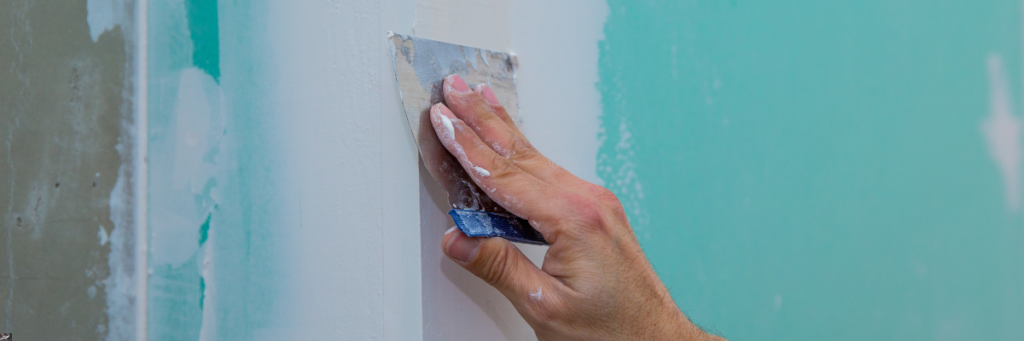
Green board drywall is a type of moisture-resistant drywall. It gets its name from the green-colored paper backing that helps installers easily identify it from standard white drywall sheets.
Unlike traditional drywall, green board drywall is designed to better resist humidity and minor moisture exposure. It is commonly used in areas such as:
- Bathrooms
- Laundry rooms
- Kitchens
- Basements
- Utility rooms
At Heifer Drywall Inc, we often help homeowners understand which drywall material makes sense for their specific space. The right choice depends not only on the room itself, but also on ventilation, insulation, and overall moisture conditions.
However, it’s important to understand that green drywall is moisture-resistant, not fully waterproof.
Is Green Board the Same as Waterproof Drywall?
This is one of the most common misconceptions.
Many homeowners assume green board drywall equals waterproof drywall. In reality, green board is not meant to handle direct or constant water exposure. It performs well in humid environments but should not be used inside shower enclosures or areas where water consistently makes contact.
For areas with direct water exposure, cement board or other specialized materials are typically recommended. During bathroom drywall projects, we always evaluate the area carefully to ensure the material fits the level of moisture exposure involved.
Using the correct material from the start can prevent long-term damage, mold growth, or structural issues.
Where Should Green Board Be Used?
Green drywall is most suitable for:
Bathroom Walls (Outside the Shower Area)
It works well for general bathroom drywall applications where steam and humidity are common, but direct water spray is not constant.
Basement Finishing Projects
In finished basements where moisture levels fluctuate, green board drywall can provide an added layer of protection compared to standard drywall.
Laundry Rooms
Appliances that generate humidity can make green drywall a smart choice in these areas.
Kitchen Walls
Especially around sinks or dishwashers, where minor moisture may occur.
In many remodeling and drywall repair projects across Central and Southeastern Pennsylvania, we’ve seen how using the appropriate drywall type helps extend the life of the finished walls.
After selecting the right bathroom drywall material, many homeowners also consider how the final surface will look, including smooth finishes or custom textures. If you’re exploring finish options, you can learn more about different drywall texture styles and how they enhance your space.
Green Board vs. Regular Drywall
Here’s a simple comparison:
| Feature | Regular Drywall | Green Board Drywall |
| Moisture Resistance | Low | Moderate |
| Best for Humid Areas | No | Yes |
| Waterproof | No | No |
| Cost | Lower | Slightly Higher |
While green board drywall costs slightly more than regular drywall, it can be a worthwhile upgrade in moisture-prone areas.
When we handle drywall repair or new installations, material selection is always discussed before work begins so there are no surprises later.
Common Mistakes Homeowners Make
Even with good materials, problems can happen if installation isn’t done correctly. Some common issues include:
- Using green drywall inside shower enclosures
- Failing to properly seal joints and seams
- Not addressing underlying moisture problems before installation
- Installing drywall over existing water-damaged framing
Drywall materials alone cannot fix structural moisture issues. Proper assessment of the space is always important before beginning any repair or installation.
If drywall has already been exposed to water damage, professional drywall repair may be necessary to restore strength and appearance safely.
What About Mold Concerns?
Moisture-resistant drywall helps reduce the risk of mold, but it does not make a space mold-proof. Good ventilation, proper insulation, and sealing techniques all play a role in preventing long-term problems.
For older homes in Pennsylvania, especially those undergoing remodeling or plaster repair, careful evaluation of wall conditions can make a major difference in the final outcome.
Final Thoughts
Choosing between standard drywall, green board drywall, and materials sometimes referred to as waterproof drywall depends entirely on the space and its exposure to moisture.
Green drywall offers added protection in humid areas like bathrooms and basements, but it is not a one-size-fits-all solution. Knowing where it works best and where it doesn’t is key to a durable, long-lasting finish.
At Heifer Drywall Inc, we focus on delivering clean, professional drywall and plaster solutions tailored to each project. Whether it’s new construction, bathroom drywall updates, or targeted drywall repair, selecting the right materials from the start helps ensure walls that truly last.